
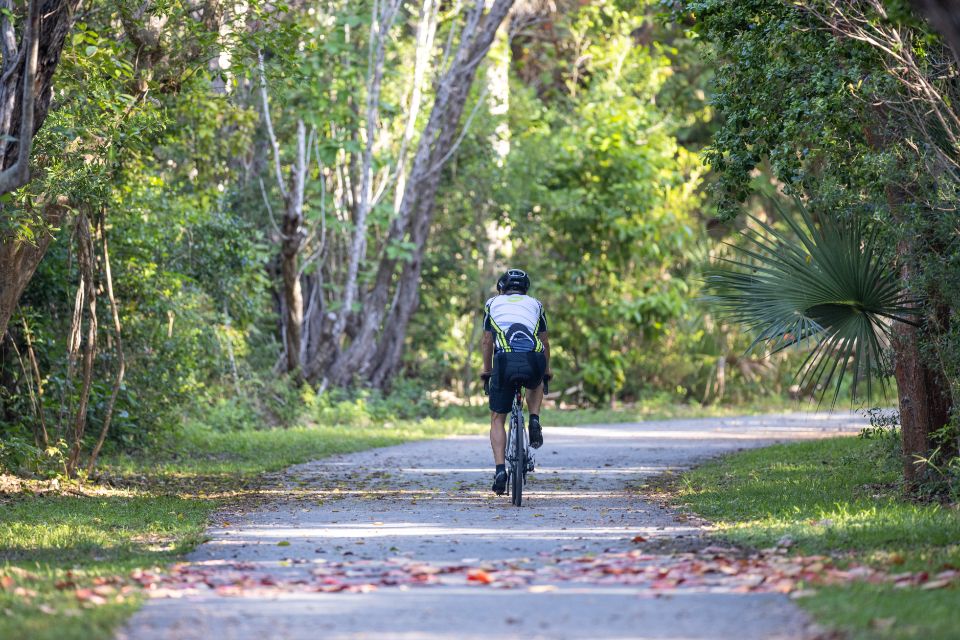
Cycling is one of the easiest ways to add regular exercise to a normal week. You can ride to the shops, around a local park or out on a long weekend loop. It suits a wide range of fitness levels because you set the pace. Many people also find it far more enjoyable than a treadmill.
Getting started is mostly about a bike that fits, a little safety gear and a sensible build up. You do not need an expensive road bike or special clothing to begin. A well sized bike in good order and a helmet will take you a long way. The rest can come later as your riding grows.
Why cycling works as everyday exercise
The Victorian Government’s Better Health Channel says regular cycling stimulates and improves your heart, lungs and circulation. It also describes cycling as low impact, which makes it gentle on the joints. The same source says it can be done at very low intensity to begin with. That makes it a practical choice for people returning to exercise after a break.
Better Health also notes that mental health conditions such as stress, anxiety and depression can be reduced by regular bike riding. Riding outdoors gives you fresh air and a change of scene. It can also be social if you ride with friends or a local group. Some people simply enjoy the freedom of getting somewhere under their own power.
How much riding counts
The Australian Government’s physical activity guidelines for adults aged 18 to 64 suggest 2.5 to 5 hours of moderate intensity activity each week. As an alternative, they suggest 1.25 to 2.5 hours of vigorous activity, or a mix of both. The guidelines also recommend muscle strengthening activity on at least 2 days each week. You can read the full detail on the Australian physical activity guidelines for adults.
An easy ride at a steady pace can count as moderate activity. A hard ride up hills or at a fast pace moves into vigorous territory. The guidelines also warn that long periods of sitting can offset the benefits of being active. Short rides spread across the week help on both counts.
Choosing a bike and getting the fit right
Healthdirect suggests having a new bike sized by trained staff when you buy it. It also says you should be able to place your feet flat on the ground when sitting on the seat. A bike that is too big or too small is harder to control. It can also leave you sore after even a short ride.
Better Health suggests adjusting the saddle height so your knee is almost straight at the bottom of the pedal stroke. It recommends a firm yet relaxed grip on the handlebars. Keeping your elbows slightly bent takes some strain off the shoulders. A professional bike fitter can help if something still feels wrong.
Common aches and how to avoid them
Better Health lists a few common problem areas for riders. Pedalling in a high gear for a long time stresses the knee joints, so spin an easier gear instead. Tingling or numbness in the palm or fingers is an early sign of a hand injury. Tight shoes, road vibration or a lot of climbing can lead to numb toes.
Lower back discomfort is another common complaint. Better Health suggests keeping your back straight while riding and while standing. Changing your hand position now and then can help on longer rides. If pain keeps coming back, it is worth having it checked by a health professional.
Safety gear and being seen
Healthdirect states that it is the law to always wear a helmet when riding. It also suggests bright clothing so other road users can see you. Better Health adds that reflective garments and reflectors on the back of your shoes improve visibility at night. Sunscreen on any skin that is not covered by clothing is also on its list.
Lights matter in all conditions, not just after dark. Healthdirect recommends a white light on the front of the bike and a red light on the back. Better Health says the lights must be visible from 200 metres and the reflector from 50 metres. Its page on preventing cycling injuries covers more of these basics.
Packing a few basics makes every ride easier. Most of them fit in a small saddle bag or a back pocket. Here is a simple list to start with:
- A water bottle, since Better Health suggests taking a drink to reduce the risk of dehydration.
- Front and rear lights, charged and switched on.
- Your phone and some identification.
- A spare tube or puncture kit once you start riding further from home.
Riding on roads and paths
Road rules for bike riders can differ between states and territories, so check with the transport authority where you live. Better Health advises riding in a predictable way, about one metre out from parked cars. It also says that where practical you must use a bike lane if one is available in your direction. Riders cannot use urban freeways.
Healthdirect suggests looking for routes with bike lanes and bike paths, and avoiding major roads where you can. Even on a path, watch for hazards such as car doors opening. Quiet streets and shared paths are a good place to build confidence. Start on routes you already know well.
Building up your riding
Start with short rides on flat, familiar routes. Add a little time or distance each week rather than jumping straight to a long ride. Rest days give your body time to adapt. It helps to plan a few rides into your diary so they become part of your routine.
Food and fluids become more important as rides get longer. A light meal or snack before a longer ride helps many people, and our guide to choosing the best bread compares the options. Some riders also look at sports products, so it is worth reading about the pros and cons of fitness supplements first. Most people riding for general fitness do well on normal meals and water.
Plenty of riders like to log their rides on a phone app. Seeing your distance and time grow is a good motivator. Fitness brands often use social media to reach new riders, as covered in our post on promoting a fitness app with Instagram influencers. Treat app numbers as a rough guide rather than a target you must hit every time.
Looking after your bike
A bike in good order is safer and more pleasant to ride. Better Health recommends a professional service at least once a year. Between services, check the tyres, brakes, gears, nuts and bolts. Lubricate the chain and cables so everything runs smoothly.
Summer riding in Australia means plenty of sun on your arms and legs. A good sunscreen comes first on any outdoor ride. If you like a bronzed look for the beach or a summer event, our fake tanning tips can help. Cover up and ride early or late in the day when it is very hot.
Frequently asked questions
Do I need a road bike to get fit?
No, any bike that fits you and is in good working order will do. Many people start on a hybrid or an old bike from the shed. A bike shop can check that it is the right size. You can always upgrade later if your riding grows.
Is cycling easy on the joints?
Better Health describes cycling as a low impact form of exercise. That means less jarring than running for many people. A correct saddle height and an easy gear help protect the knees. Talk with your doctor first if you have an existing joint problem.
Do I need lights during the day?
Better Health suggests fitted front and rear lights for riding in all conditions. Lights help drivers see you in shade, rain or low sun. Road rules can differ between states and territories. Check your local transport authority for the current requirements.
How often should I ride?
The national guidelines suggest 2.5 to 5 hours of moderate activity across the week. Cycling can make up part or all of that time. Start with a few short rides a week and build from there. Mix in strength work on at least 2 days as the guidelines recommend.
This article is general information only and is not medical advice. Please speak with a doctor or qualified health professional before starting a new exercise program, especially if you have a health condition.